The Sith Lords of Color Theory
Thanks for taking the jump to read today’s newsletter. If you landed on this page by accident, subscribe to the Vanilla Beans Newsletter here.


On Thursday, my husband was finally measured for his prosthetic leg. They use lasers and 3D mapping which was pretty cool.
But it’ll be about another 3-4 weeks until he’s up and walking on this new leg. They do a mock version before making the real one, so really, this was just a measurement for the dress rehearsal.
And then he’ll go through a series of three prosthetics as his muscles change and shrink.
But hey, we’re officially on the path out of the wheelchair!

I purchase most of my art supplies from Dick Blick. Shop using my affiliate link to support this free newsletter.

THE SITH LORDS OF COLOR THEORY
Hang with me here today.
At the start of this article, you’re gonna think I’m talking about a mental illness or extremely low self esteem. Just trust me, I’m headed somewhere with this and it’s not a therapist’s couch.
From now on, as you watch painting and coloring demos on YouTube or scroll through art feeds at Instagram, I want you to be extremely aware of who is influencing you.
In every area of art— and I’m talking both professional and hobbyist levels for every medium, every field, every genre of art…
We’ve got two schools of thought:
The artists who love everything they make.
And the artists who’d happily bonfire their entire portfolio.
You need to know which kind of artist you’re learning from.
Because what you’re learning is where you’re headed.
Or not-headed.
If you haven’t figured it out after years of Vanilla Beans newsletters, I’m a big bonfire girl.
And yes, art school critiques, letters of rejection, and illustrating for highly critical clients have shaped the way I draw and color.
But also, I was born this way. I’ve always been generally unsatisfied with my art.
Pssttt… I hope you are too.

In fact, dissatisfaction and 3am angst is my greatest wish for you.
I want you to be amazingly unhappy with the fruit of your fingers.
I know the modern mindfulness trend and self care philosophy is to treat every splash of paint or smear of ink as a celebration of great beauty and joy. There’s a whole cult of art influencers out there dedicated to making you feel zipadee-doo-dah about every mess you make.
But here’s the thing: I want you to learn. I want you to grow.
And happy people don’t grow.
If you’re happy— especially if you’re a satisfied, well rested artist… there’s no need to grow and there’s nothing to motivate you towards growth. There’s actually nowhere to grow even if you wanted to grow.
You’re happy, what more could you want?
Don’t believe me? Head over to any one of those enjoy-the-process artists or colorists on YouTube and scroll back to the beginning of their channel. Look at the first few demos.
They’re still doing the same thing they did back then, right? Their work today may feel more polished and they’ve learned a couple new tricks, but they’re always splashing the same loose flowers or coloring the same smiling pink pigs with the same blending combination.
Because they’re happy.
Here’s the dirty secret about artistic growth: You must embrace the dark side to grow.
Let’s get unhappy, okay?

Many colorists assume that someday, you’ll eventually get to a skill level where coloring feels easy and the process is painless.
That’s why you practice, right?
You’re working towards the everything is easy stage where life is all peaches and cream. You’ll never go outside the lines, you’ll never overwork the paper.
Someday, you’re gonna love everything about everything you do.
Ah my young padawan, that’s not how it works.

You see something beautiful. I see 10 things wrong with it.
It’s not just me. Every professional illustrator I’ve ever worked with is the same way. We’re all silently praying the client won’t notice the bloopy bit in the lower left corner. The worst part of working in a commercial studio was that we learned to see each other’s flaws. Nobody wants to hear “you screwed up the left eye again…” from someone jogging by your desk on their way to the bathroom.
But it makes you stronger.
No matter how great you get, no matter how good you do, a Sith Artist will always sense the disturbance in the Force and soak it in.
We carry the disappointment and feed upon it as fuel for the next project.
And it’s not like this is an optimist/pessimist thing. It’s not self hatred. I know when something is good but good doesn’t mean it can’t get better.
It’s not that I see 10 things I hate about my knitted heart up there.
I see 10 things to improve next time.
How does this relate to color theory?
Well, as I said at the start, some of you are happy.
Either that or you’re highly influenced by a happy marker instructor and that happiness speaks deeply to you.
Happy is why you color.
I certainly don’t have a problem with being happy… but you are here today, reading this newsletter to learn about color theory and well, I’ve gotta be honest with you…
Happy people don’t need color theory.
And actually, I think I said this a couple weeks ago but let’s go deeper with some actionable advice.
If you just love the swishy swashy feel of colorful coloring, you really don’t need to know the nitty gritty details of how color works, same as you don’t need to know the names of every star in the sky to enjoy the view.
Just be happy.
But Amy, everyone says color theory will make my coloring better…
No. It won’t. Most of the color theory advice out there is either wrong or over-simplified to the point that it’ll actually make your coloring worse.
You’re better off just choosing and using colors that feel good to you.
But if you really want to amp up your happiness game, there are a few good color theory tools I recommend.
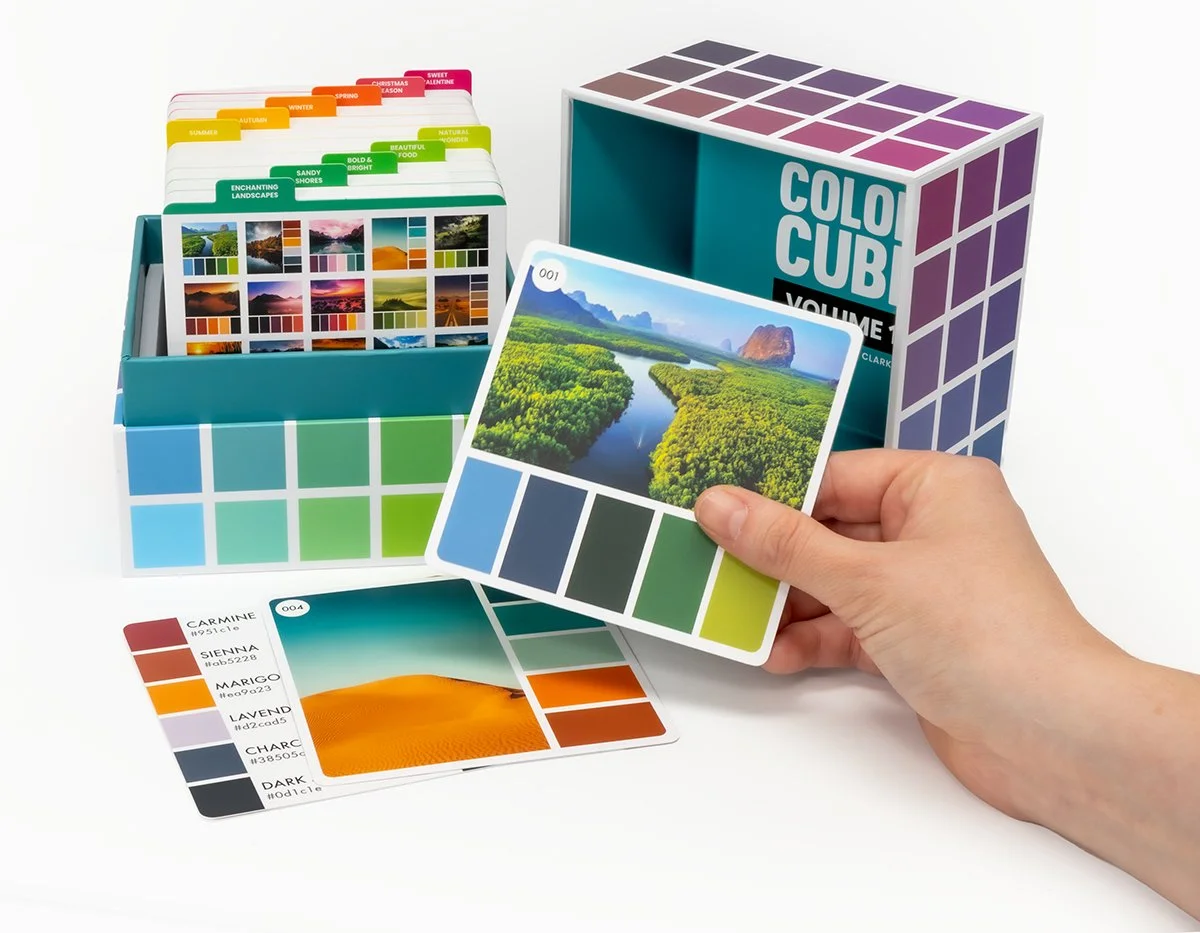
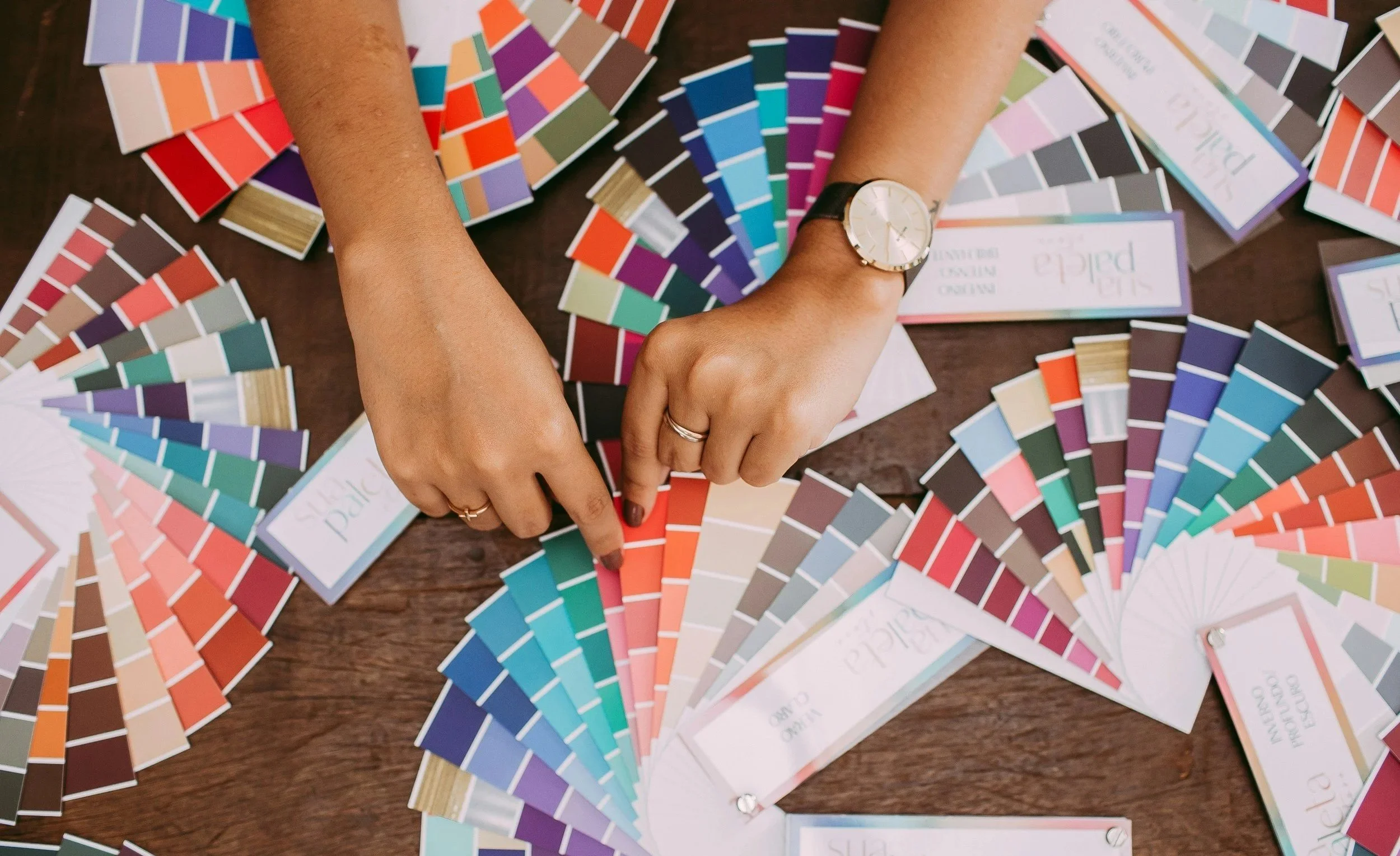
Sarah Renae Clark’s Color Cubes are an excellent assortment of premade color palettes. You don’t needall the cubes, you can even get used cubes. But premade palettes can take the guesswork out of color selection. They can also dig you out of a color rut.

A cheaper option is to use my free Copic palettes. I started making these palettes long before the Color Cubes but Sarah had the wisdom to make her’s a physical product. There are other palette collections out there but hey, I’ve gotta pitch mine.
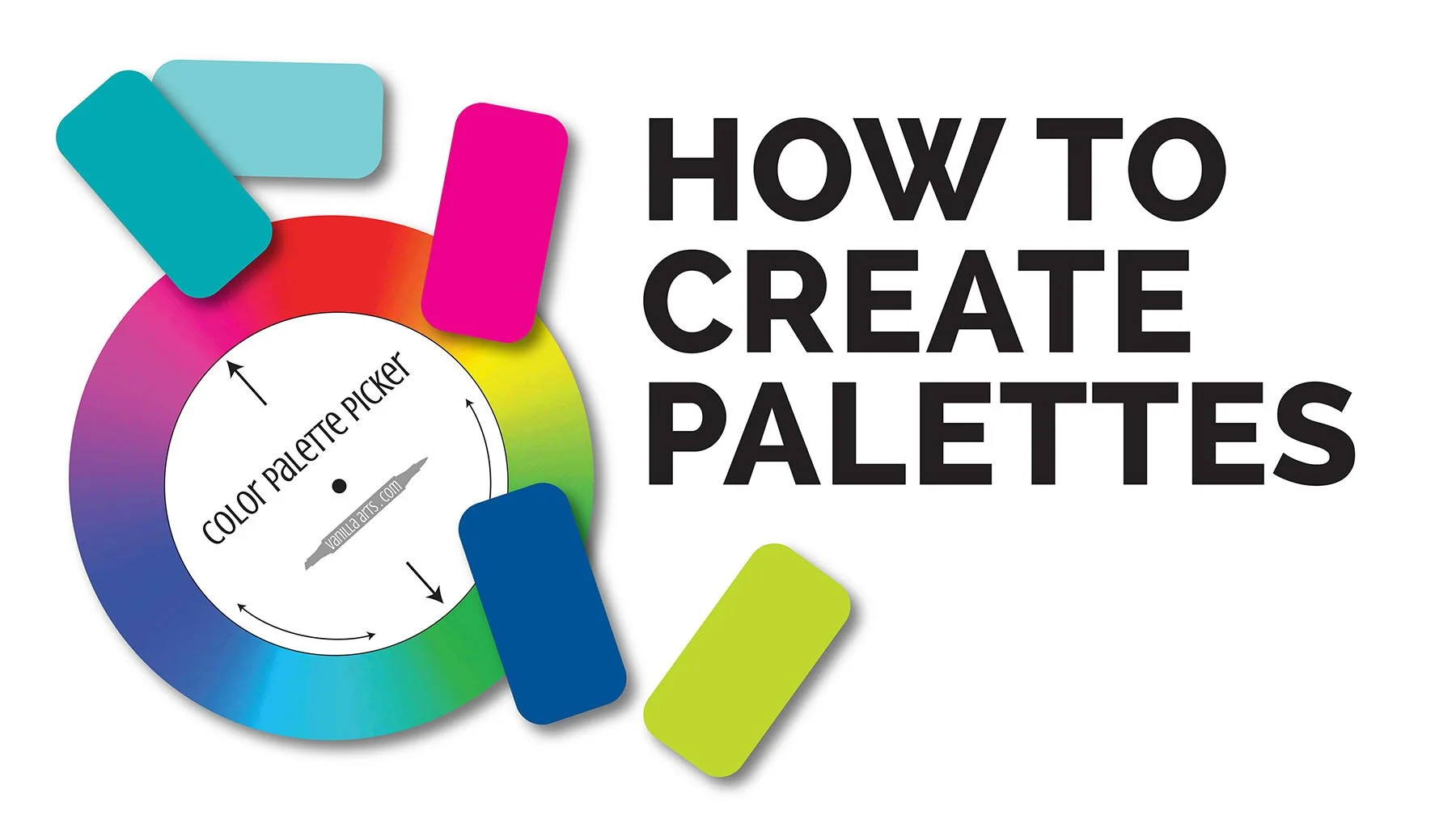
For original palettes, I have a free tool plus an instructional video based on a method we used in art school. I still use this method today even though I don’t actually spin a wheel, it’s more of a mental spin now.
Scroll down to the Vanilla Beans Free Download Library below for the library link and password.
And that’s really it for happy color theory. Get yourself some better color palettes and then keep on keepin’ on. You don’t even need to know why they’re better palettes, you’ll just feel it. That’s good.
Happy colorists don’t need much to stay happy.
Don’t let color theory drag you down.

But what if you’re like me, dwelling on the darkside?
Stay tuned.
In the upcoming weeks, I’m going to start going into detail about the things we hate most about our coloring. We’ll discuss why little things often twinge our radar and how color theory can help.
But I’m warning ya… It’s called Color Theory, not Color Law.
The theory part means “several suggestions for a possible solution which may or may not work.”
You’ve gotta try a few theories to see which one makes you happy.
Or at least happier.
Happyish?
We are Sith. There’s always something buggin’ us.
IF YOU LIKED TODAY’S ARTICLE, SUPPORT FUTURE FREE LESSONS

COLOR THEORY LESSONS WITH A PERSONAL TOUCH
I still teach new live classes every month but they’re exclusive to the Color Coach program.
You can color more projects but that’s not practice.
And you can’t practice your way into style, voice, and artistry.
In the Coach program, we work on developing your eyes and color sensitivity, giving you the tools to make original and expressive color decisions in all your coloring projects.
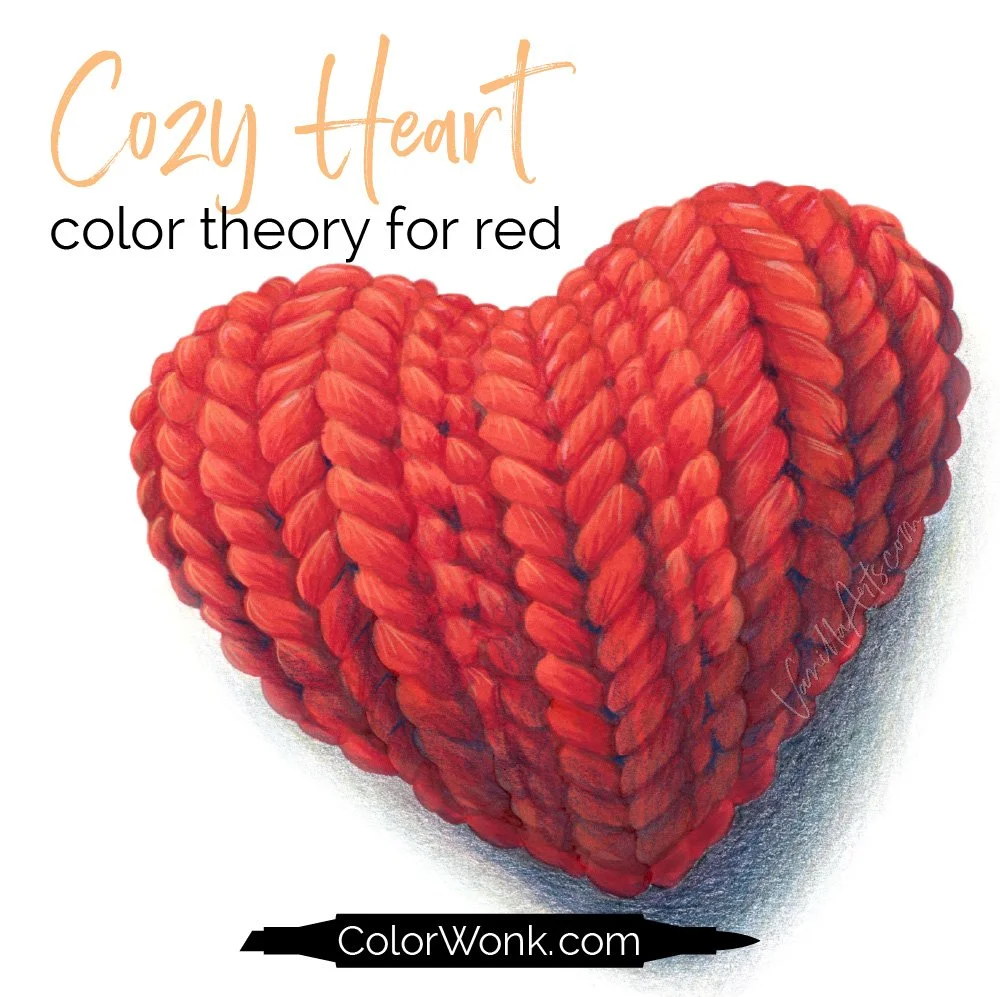
Cozy Heart is only available through Color Coach
Color Coach is an optional add-on level to Color Wonk instruction focused on color theory and the process for expressing your unique color voice.
Real art lessons, not nifty novelty techniques

CURRENT PASSWORD: RubberDuckie

RECOMMENDED COLOR THEORY PRODUCTS
Affiliate links help support the free content here in Vanilla Beans