Cube 5: A Cozy Mess
Thanks for taking the jump to read today’s newsletter. If you landed on this page by accident, subscribe to the Vanilla Beans Newsletter here.



Welcome to episode 5 in my series on the fabulous Color Cubes from Sarah Renae Clark.
So far, we’ve dealt with minor issues like card organization, finding palettes, and understanding the use of palettes.
But what if the info on the cards is wrong?
And what if the palettes are a recipe for disaster?

Remember to use the link above when shopping at Blick. Vanilla Beans runs on affiliate earnings.

Purchase Color Cubes with the affiliate link above to support my work here at Vanilla Beans. Every issue of Beans takes about 8 hours to write and Beans is always FREE. Without your support, there’s simply no way I can keep writing weekly free lessons.
TODAY’S ARTICLE IS LONG
…and I solve the problem with an advanced color theory concept. This is more complex than the color theory stuff we’ve talked about before.
If it feels over your head, that’s okay.
Color theory is a bit like mathematics. In both, knowledge builds gradually and each lesson readies you for the next concept. You can’t rush ahead or skip levels. We must crawl and then walk before we run.
When color theory makes total sense, it means you’re ready to use the information.
If it doesn’t make sense, you don’t need it yet.
If I lose you halfway through the article, don’t sweat it. You’ll get hear it again when the time is right.

A COZY MESS
Coloring has changed a lot over the last decade. Today’s cozy colorists are nothing like the stamp colorists of ten years ago.
Ohuhu has changed the way we color.
Everyone’s using unblendable markers on unblendable paper.
So by all means, let’s dumb-down the definition of blending instead of using markers that work.
Sometimes watching YouTube, I pause the video to really look at what they’re doing. Maybe it’s me? Some sweet young thing is gushing, “OMG, look at this beautiful blend!” and all I see is blotchy color.
That’s not a blend, dear. That’s bad coloring.

People also don’t shade anymore. They run a stripe of color down the side and call it shade.
Once upon a time, a colorist would’ve used 3, 4, or even 5 markers to color one egg here. With the right marker blend, even a newbie could make dimensional and rounded Easter eggs.
But with unblendable markers, Colorfluencers can’t risk filling space with a marker that won’t budge.
They play it safe. Blending combinations are now only two markers and the inks are suspiciously close in color. This way, we can all pretend it blended.
But Amy, I don’t use cheap markers. I still do classic Copic shading and I blend with large combinations. Other people can do what they want; it doesn’t effect me.
I thought that too.
I honestly didn’t notice it at first but they’re changing the way we see color.
And the Color Cubes might’ve been the first sign of trouble.

You either love the cozy coloring trend or you hate it.
I guess if you’re here enjoying Vanilla Beans, you’re probably a hater.
It’s just not our thing, right?
The images are too childish. The lines are too thick.
But what puzzles us most is the Lucy in the Sky with Diamonds approach to color.
You spent years developing dimensional blending skills and tasteful color combinations. Now we’re just b!tch slappin’ people with rainbows?
Psstttt… Few colorists can get away with full-technicolor cozy coloring. Even with the same markers, your coloring never looks like the video. You know you’re coloring like a blind toddler.
Which is exactly why Color Cubes are so darned popular right now.
Normal people see this mess and say “Girl, you need a color palette!”
But here’s the problem— You bought the Cubes and the digital versions and you were first in line for the membership. You’re following Sarah’s instructions to the letter. You never miss a demo.
You’re doing exactly as she says and your coloring still looks like you be trippin’.
If color palettes are so helpful, why aren’t they helping?
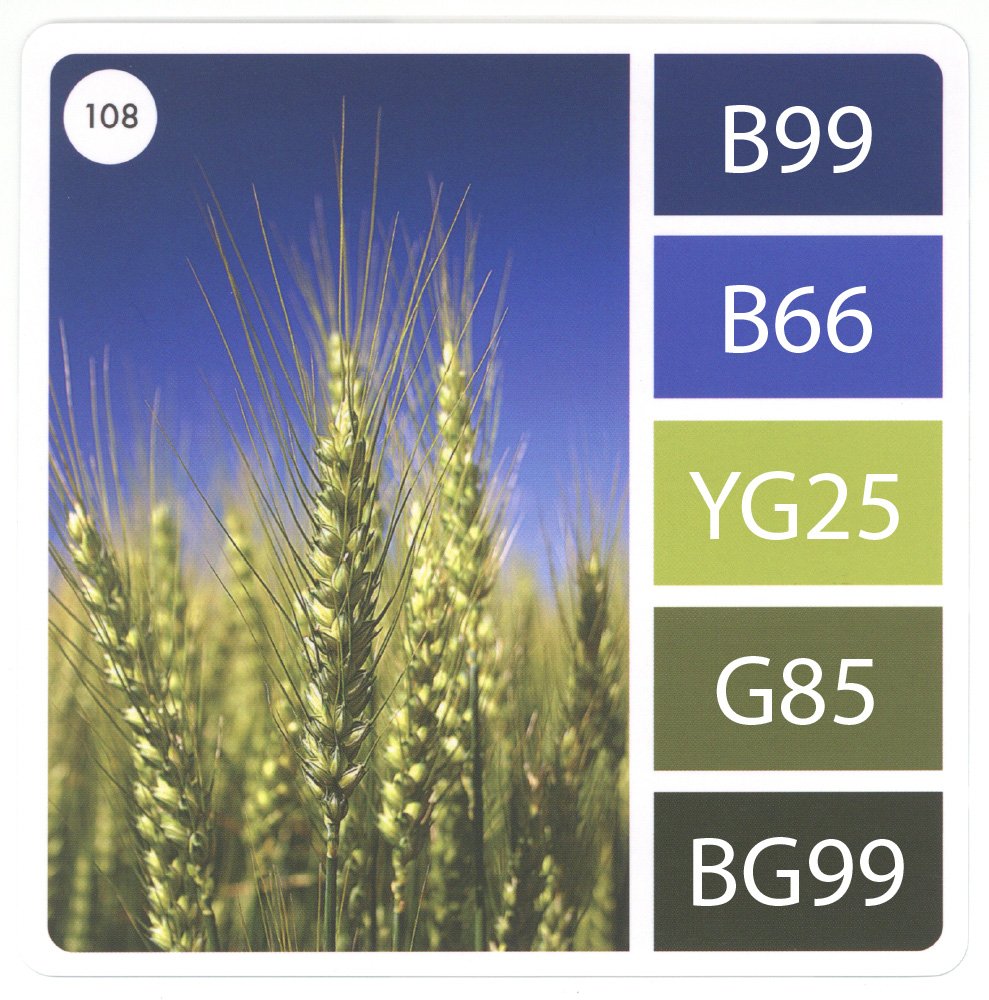
I teased this at the end of last week’s episode.
And actually, I’ve been dropping hints since episode #1.
This is a beautiful color palette.
It’s also a stupid color palette.
If you use these markers, whether you’re coloring Coco Wyo or realistic line art…
You’re gonna regret it.
Do you doubt me? Here’s proof.
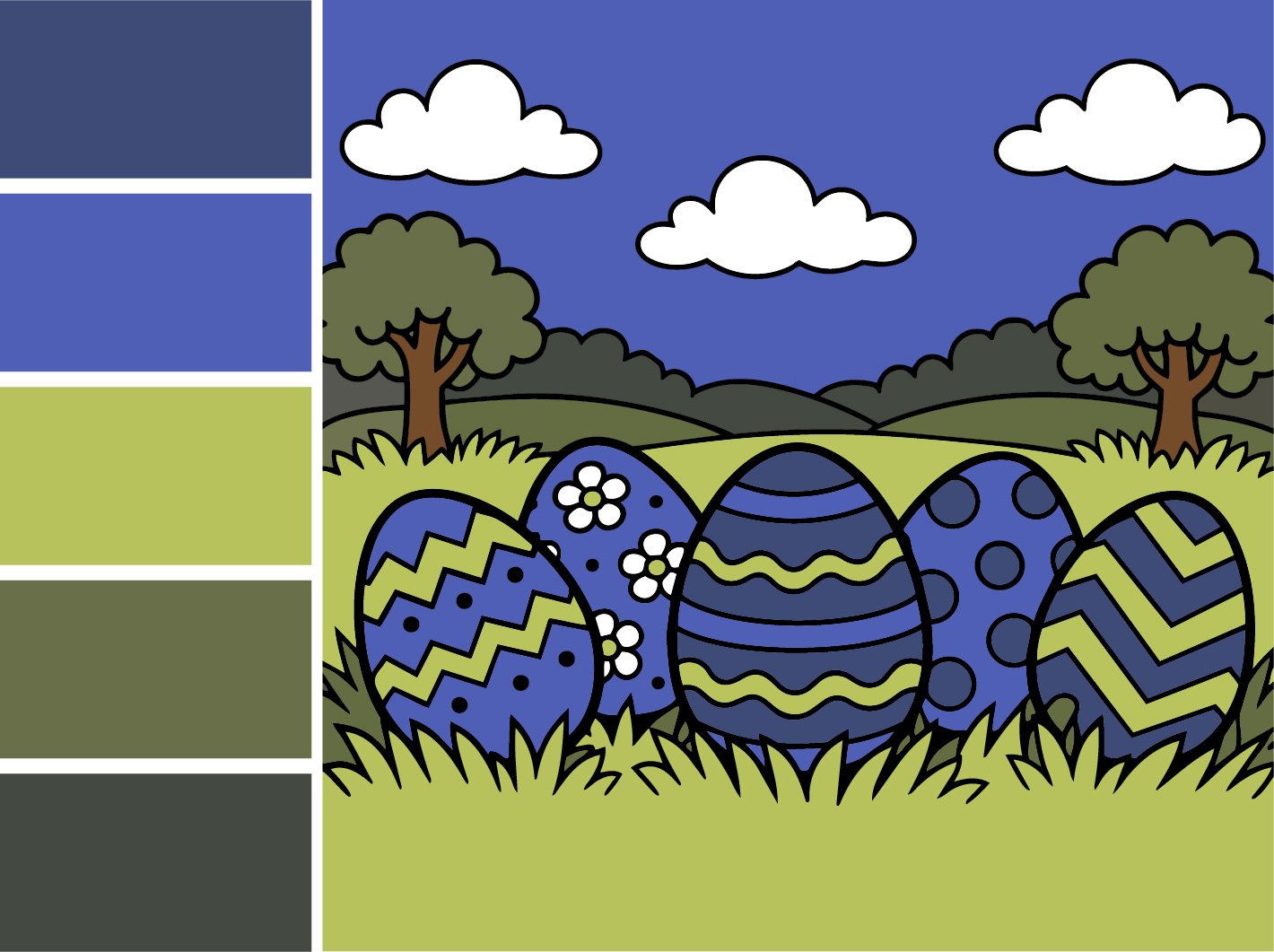
I used our wheat color palette on this cozy image and looks weird, right?
It’s color coordinated but it’s still a mess.
Somehow this looks boring and yet it’s also hard to focus on any one thing.
And that’s really the worst part. Our eyes have nowhere to rest. Mine are zipping across the page looking for a focal point. What are we supposed to be looking at??? Trees? Eggs? Clouds?
Now some of you are a step ahead and you’re already thinking “the composition is off”.
And that’s true about most Coco Wyo images. Composition-schmoposition.
Every Coco page has a bear, a dog, and a sheep walking on their hind legs and they’re wearing hats and carrying purses and they’re standing in a store with 82-hundred things on the shelf with signs on the wall and bananas on the counter and if all that wasn’t enough, there’s a duck wandering across the bottom right corner for no apparent reason.
Coco Wyo is the run-on sentence of the coloring world. It’s a bunch of stuff with no point.
Composition is the opposite of Coco Wyoworld.
Composition is how good artists direct your eye. We arrange objects on the page to make the picture make sense. Composition tells a clear story.
Look here first, then look here, then look there.
For most colorists— if you ever think about composition, you think about the drawing. And you assume the line artist figures out the composition for you.
And you’re not wrong. But look closer at my line art here.
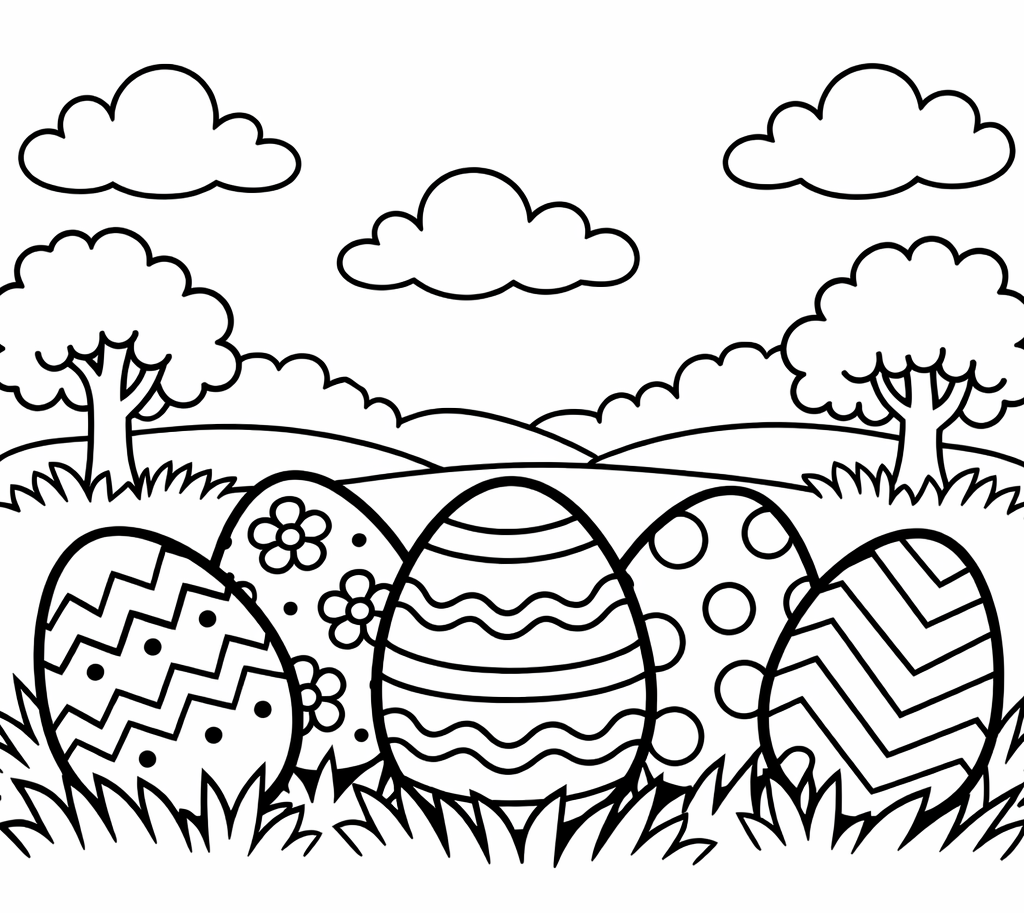
This is a balanced composition. The eggs are front and center, the background is less complicated. Everything feels symmetrical without being exactly mirrored and matchy-matchy.
The composition is good.
In fact, I notice my eye isn’t bouncing around the empty line art. With the colored version my eye pinballs around with nowhere to rest. But in black and white, my eye is calm and still.
Because composition isn’t just in the drawing.
Composition is also about color.
Oh Amy, don’t be silly. You simply chose the wrong color palette. You need more than blue and green markers to color a proper Easter image.
Okay, I hear ya.
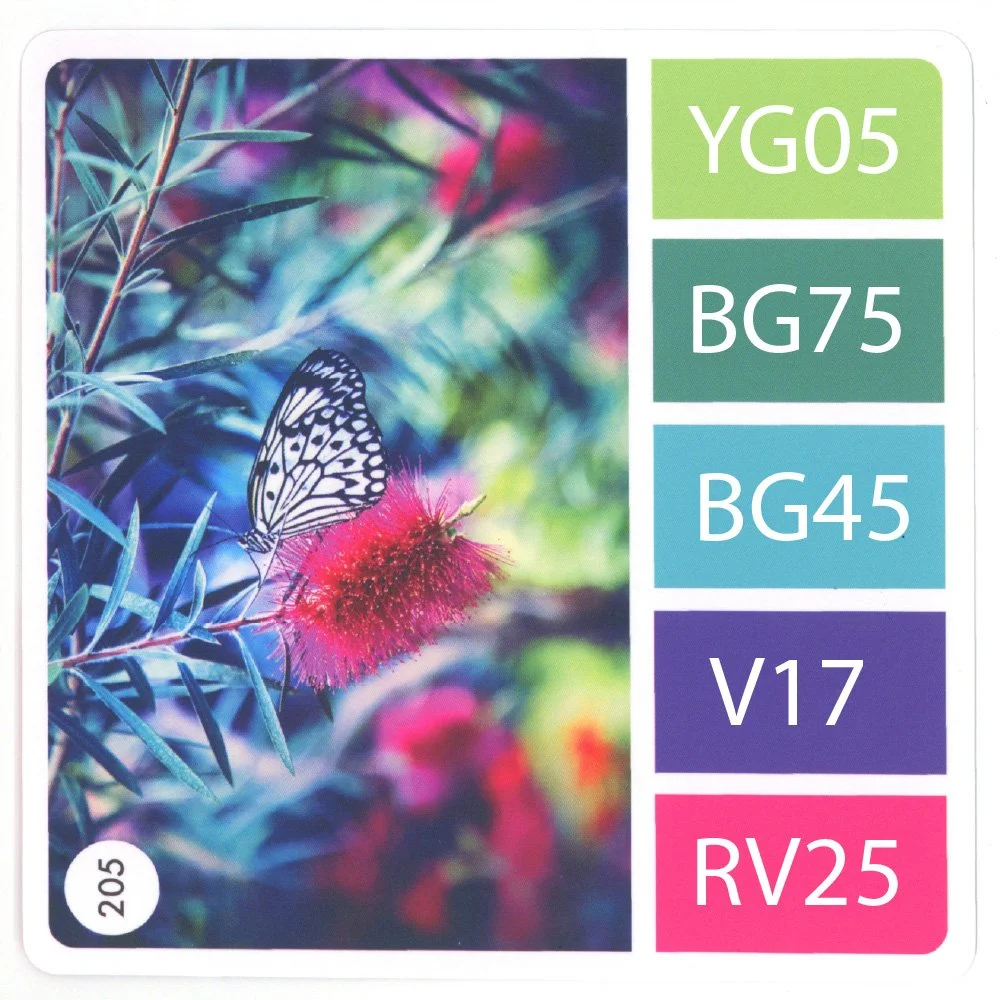
I grabbed the first Eastery palette from my PARTY divider section.
Even before I pick up a marker, I can already tell this is not gonna work.
And some of my Color Coach students are smiling because they know why.
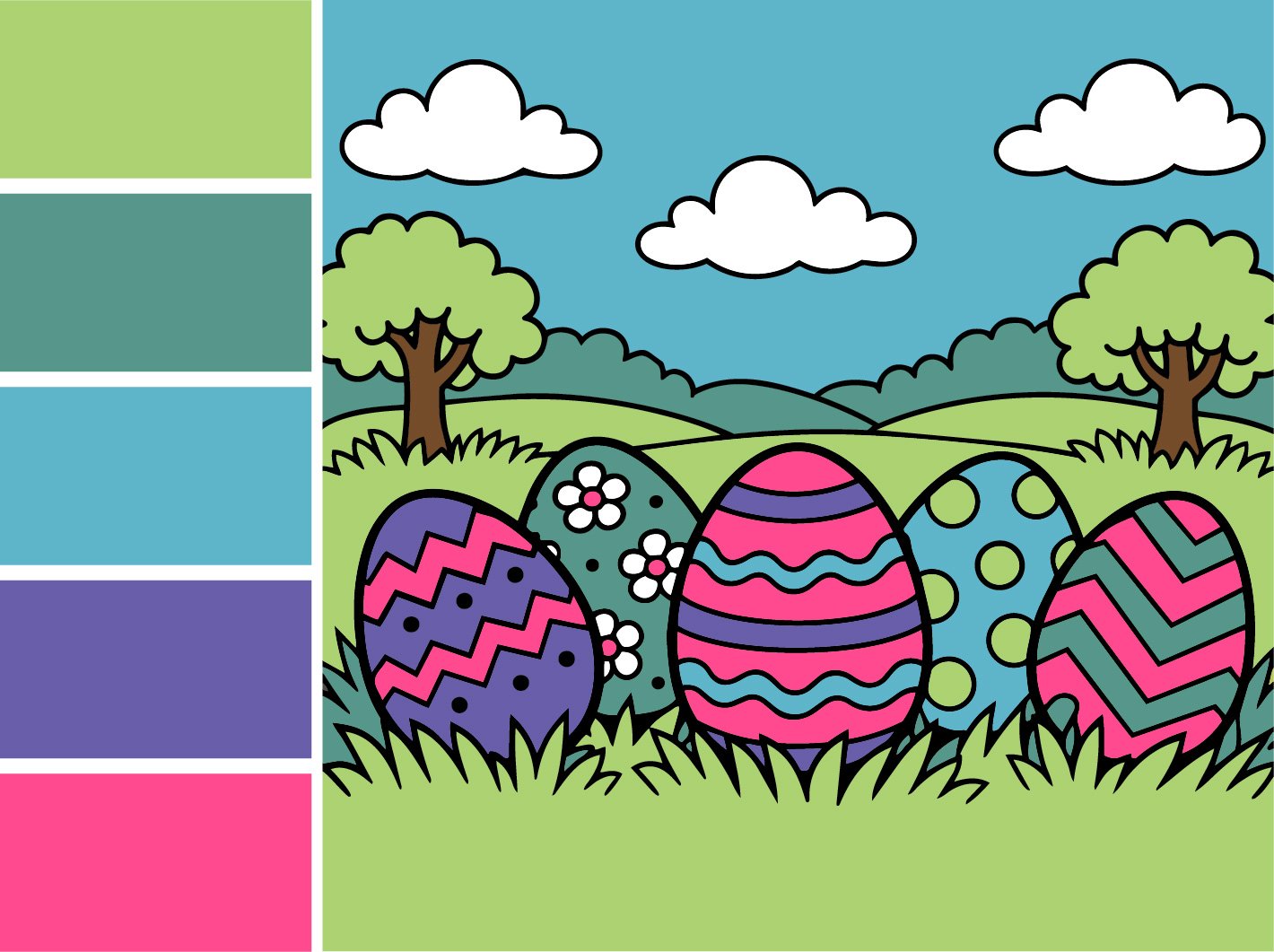
Peter Cottontail may like cozy coloring but ewww, this is still a mess.
Egg. Tree. Cloud. Egg. Grass. Sky. Egg. Egg.
There’s nowhere to rest the eye and if I look at it long enough, I start to feel antsy.
There’s something unsettling about this.
Composition folks. We’ve got hierarchy and order problems.
So what’s really going on?
How is it that some of us instantly know at a glance that these palettes are bad? What are we seeing that you’re not?
Pssttt… look at the last number.
In the Blue/Green palette, everything ends between 5 and 9
Even worse, in the Easter palette everything ends in a 5 except for violet
In Copic, the last number indicates the color value— the lightness or darkness of the color. Any marker ending in a 5 is about the same darkness as an N5 marker. Any Copic ending in 8 matches the value of an N8 marker.
We absolutely must pay attention to the end numbers in every color palette.
The wheat palette has 5s through 9s. The Easter palette is basically 5s.
In art, we call this a Value Gamut. Gamut is a fancy name for a range or a group.
It doesn’t matter if you’re looking at a DaVinci painting or a pencil sketch from my garbage can… attractive and good-looking art always has a large gamut range of values.
The value gamut (or value range) of the Blue/Green palette is 4. That’s low.
The value gamut of the Easter Party palette is 2. That’s extremely low.
Big gamuts look good. Small gamuts look confusing, unprofessional, and flat.
Let’s look at it a different way. If we flip the project to black and white, all we see is value.
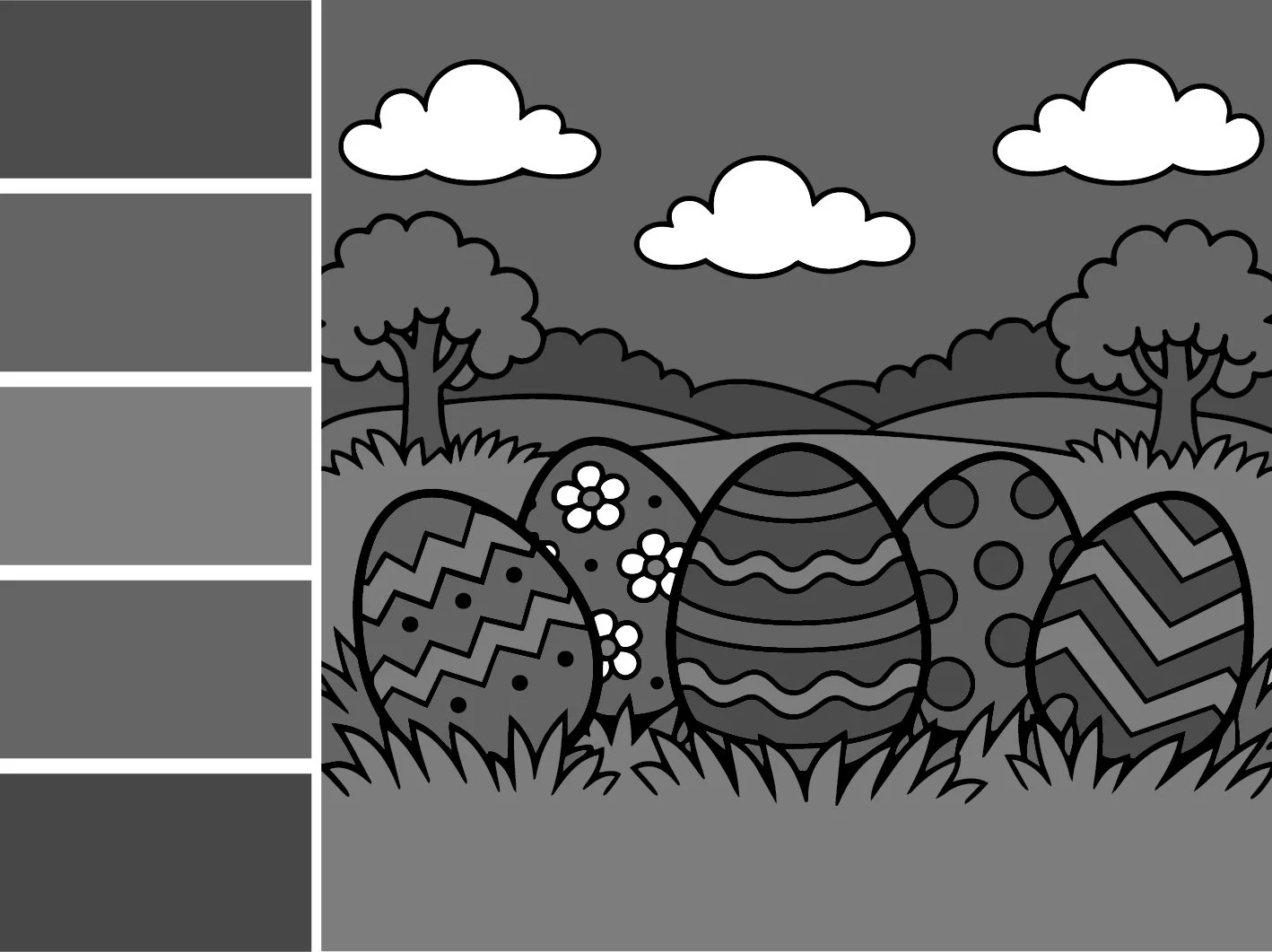
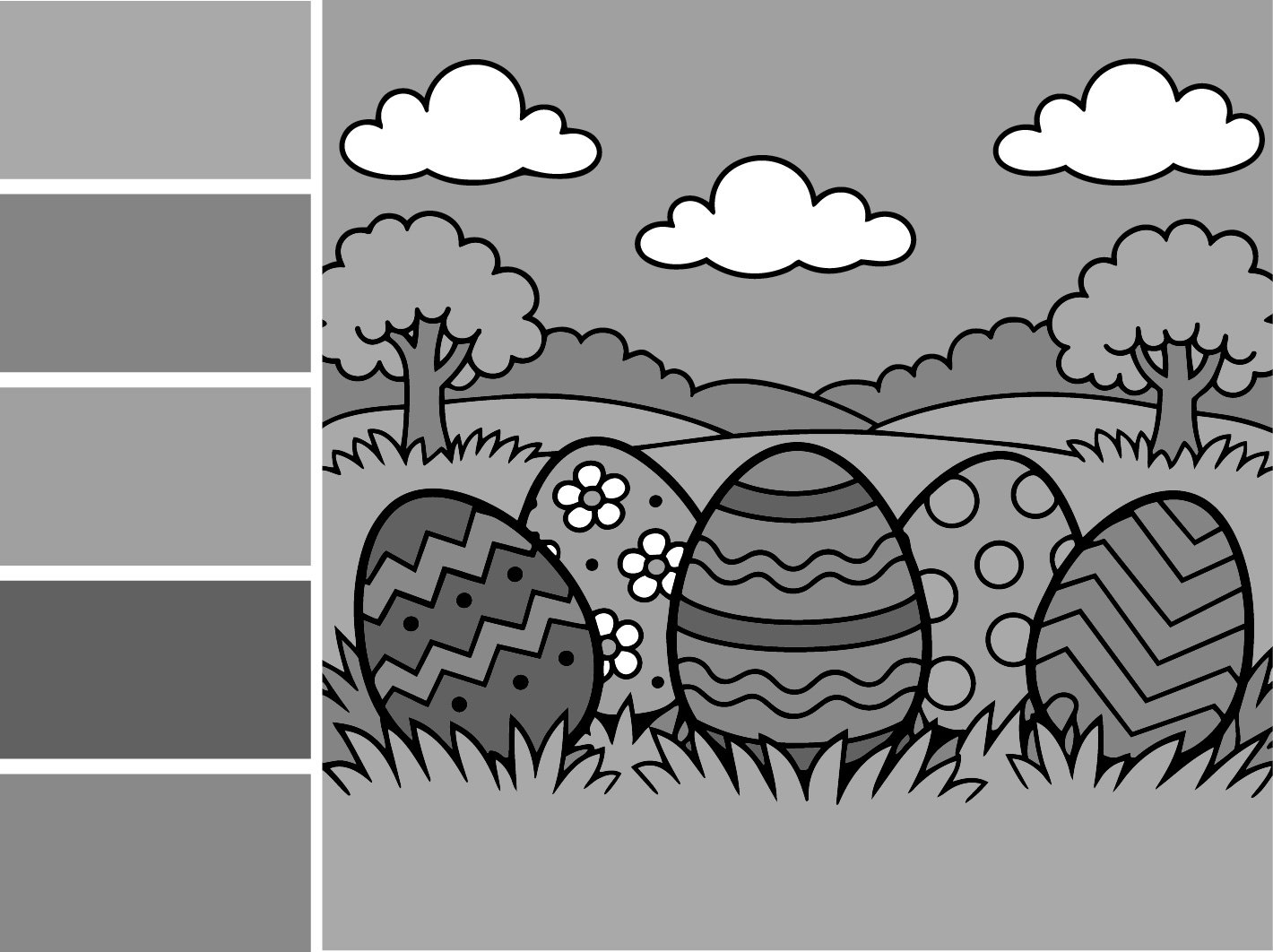
See how similar all the grays are? It’s too much of the same value.
This is why your eye bounces around the colored versions and you’re not sure what to look at first. When a color palette is too much of the same value, the result is physically hard to look at.
And here’s my big complaint— I picked both palette cards at random, knowing full-well that anything I picked would have a gamut issue.
Every Color Cube card has a value problem.
Let me repeat that one more time for emphasis: ALL of Sarah’s cards have value issues. We’re talking 95% of the cards in boxes 1 and 2 are bad. And the cards I’ve seen from sets 3 and 4 don’t look any better.
Sarah picks good colors but she’s awful at values.
Back in Episode 2, I mentioned that Sarah’s manufacturer was probably unable to print a pale pastel swatch accurately. There are pale colors in every photo but Sarah almost never selects them for the palette swatches. Even when she picks pink, mint, or aqua swatches, she chooses medium or dark values.
Sarah made a big mistake and you’re the one paying for it.
Look at what happens to our gorgeous wheat photo if we limit the photo to just Sarah’s color palette.

By shrinking the value gamut Sarah removed the highlights and flattened the contrast.
Contrast gives life to the image.
It’s also hard to tell the foreground from the background and it totally flattened the sky. Near and far are all mushed together.
The wheat hasn’t changed position but the gamut moved everything.
I know this article feels long and rambling but stick with me here.
I’m about to tell you how to fix the problem.
Last week I showed you how Sarah’s green and blue swatches aren’t the only green and blue markers we can use.
This is why I pick markers from the photo, not her swatches.
But the other reason I don’t use her swatches is because she ignores light colors.
We need pastels. Contrast is important!
The trick is to rethink how you see a color.
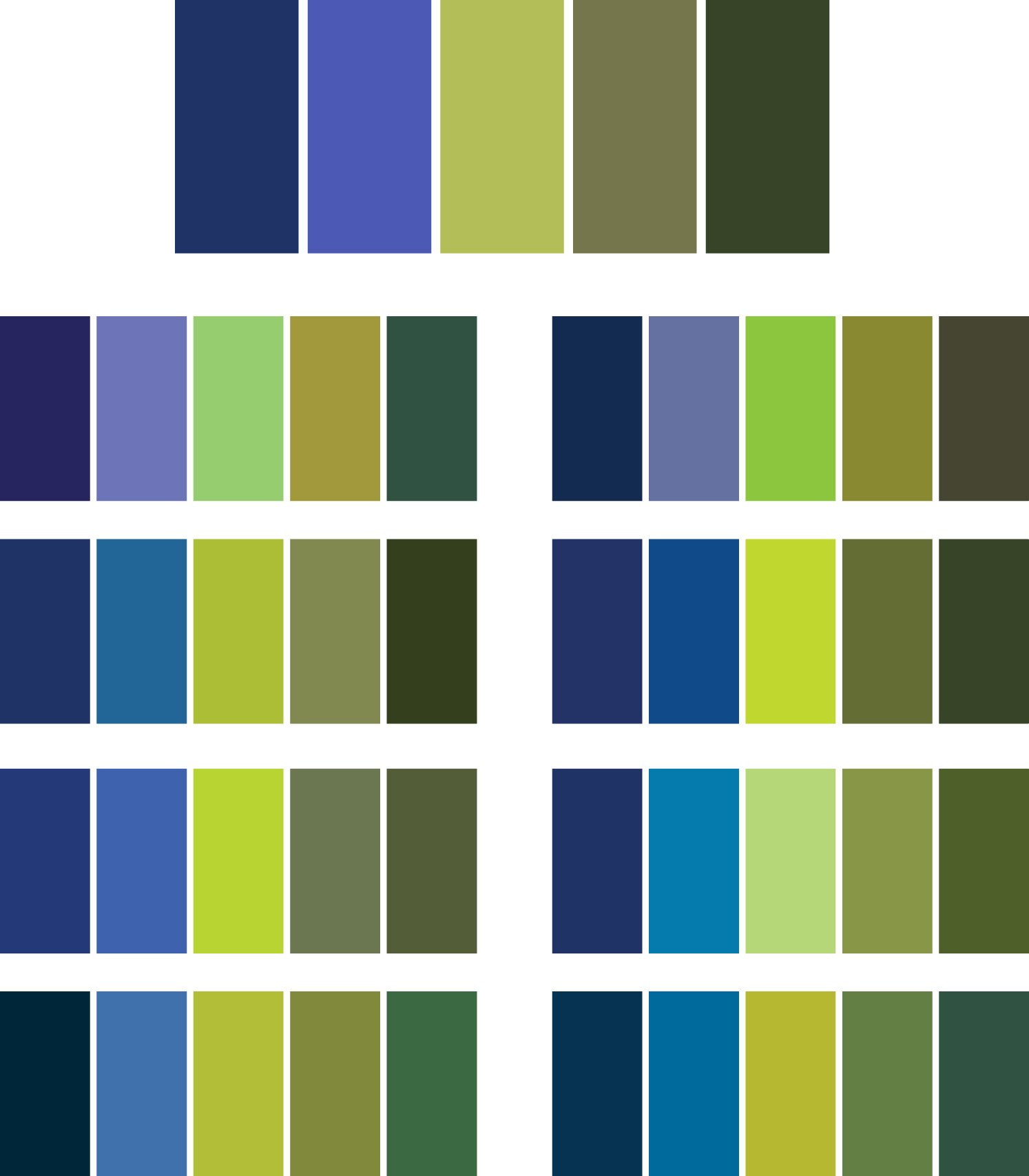
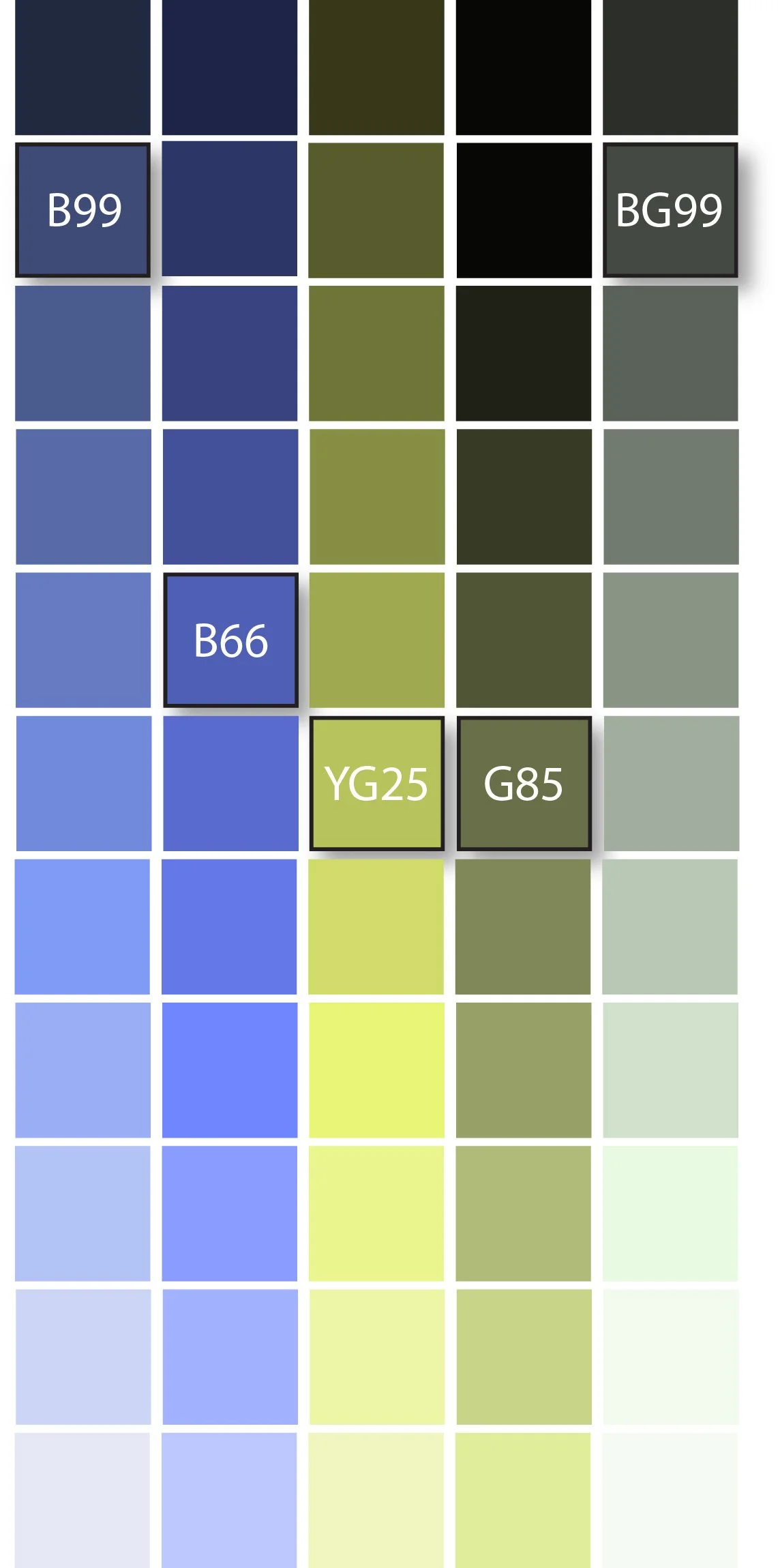
In the wheat palette, Sarah gives us two blue swatches and three greens. They’re all from the dark half of the value gamut.
But every color secretly comes in a full range of values.
The vertical columns should look familiar because in Copic, these markers would all share the same first number. The B-Nineties, the B-Sixties, the YG-Twenties, etc.
Number families are value gamuts!
Last week, I proved that B99 isn’t the only dark blue that would work. You can sub B39 or try B79.
And here’s your lesson for today:
Sarah’s swatch value isn’t the only value that will work.
You don’t have to use B99, you can use 97, 95, 93 or 91.
If you choose to use B39, you switch it to 37, 34, or 32.
Choose any color from each column. Anything in the gamut column will work in this palette.
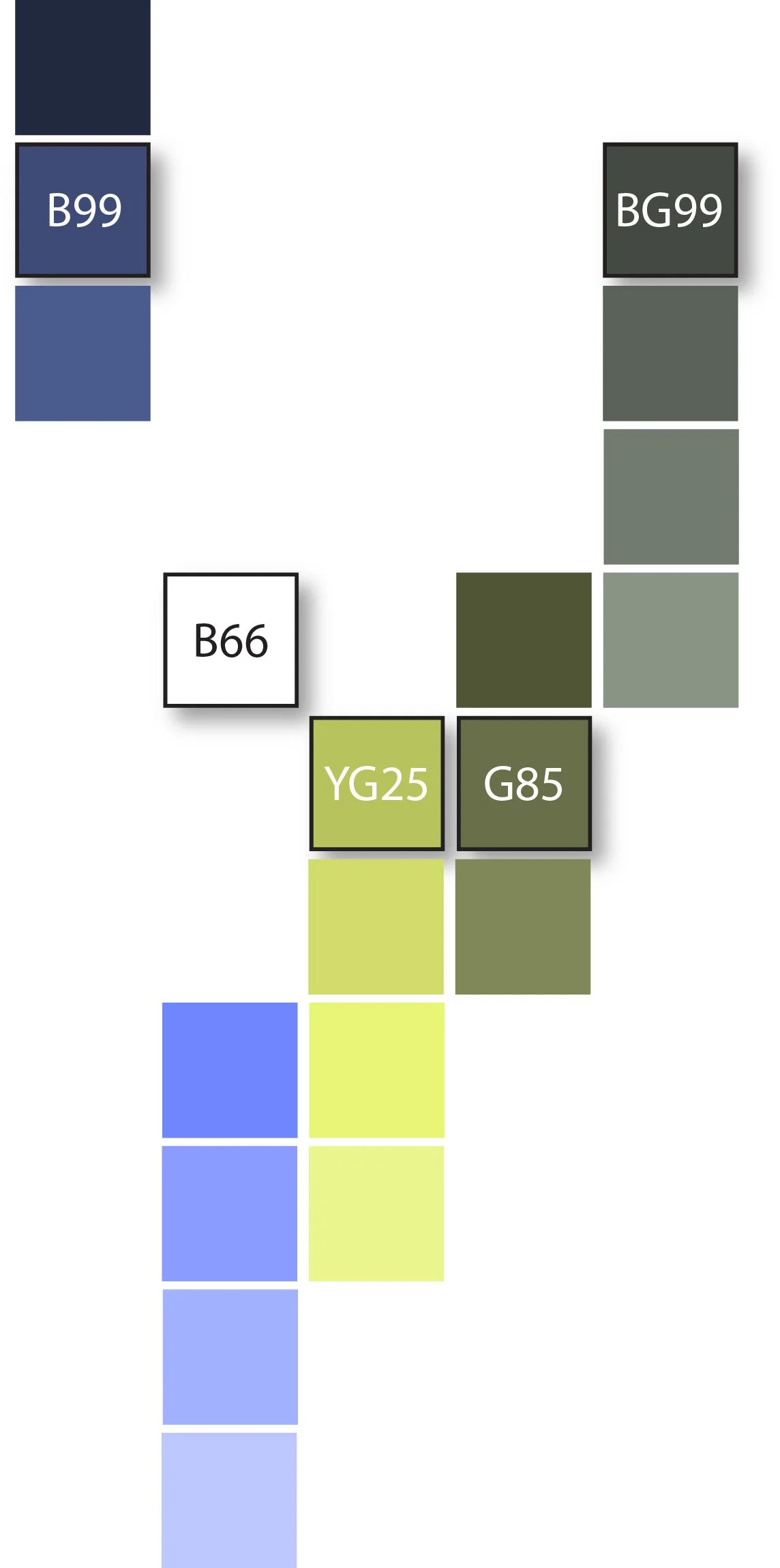
Now that you’re free to choose markers other than the five colors Sarah recommends, let’s get back to the cozy coloring problem.
To balance the composition, your project must represent every section of the value gamut.
So as you’re choosing blending combinations, pick combos that are 3-4 markers. Larger blends help you hit more numbers in the gamut.
Then space your blends to fill all the value squares.
That’s one problem with modern cozy no-blend coloring. It’s hard to represent a full gamut using only 2-marker combos!
Pssttt… notice how I’m not using B66? We already have value 6 covered but we were missing values 1 and 0. By shifting periwinkle blue downward, now my blends cover every value space from 10 to 0.
Your coloring projects will look more balanced and professional when you include every value in a full gamut.
Was that confusing? There’s as easier way do this.
After you’ve picked your blends but before you start coloring…
Look down at your desk and line up your Copics by last number.
If every marker ends in the same number, you’ve got problems.
If you don’t cover every end number from 0-9, you’ve got problems.
If you’re only using Sarah’s swatch colors, you’ve definitely got problems.
The big problem with cozy coloring is they use too many colors.
And for all that color, it’s all the same value.
Value spacing adds a feeling of structure and order. It separates and makes sense of the different objects. Look here, then look here.
Sarah’s Color Cubes can’t solve the monotonously cozy value problem. As I showed you, her palettes make it worse.
She makes pretty palettes but the values are out of whack.
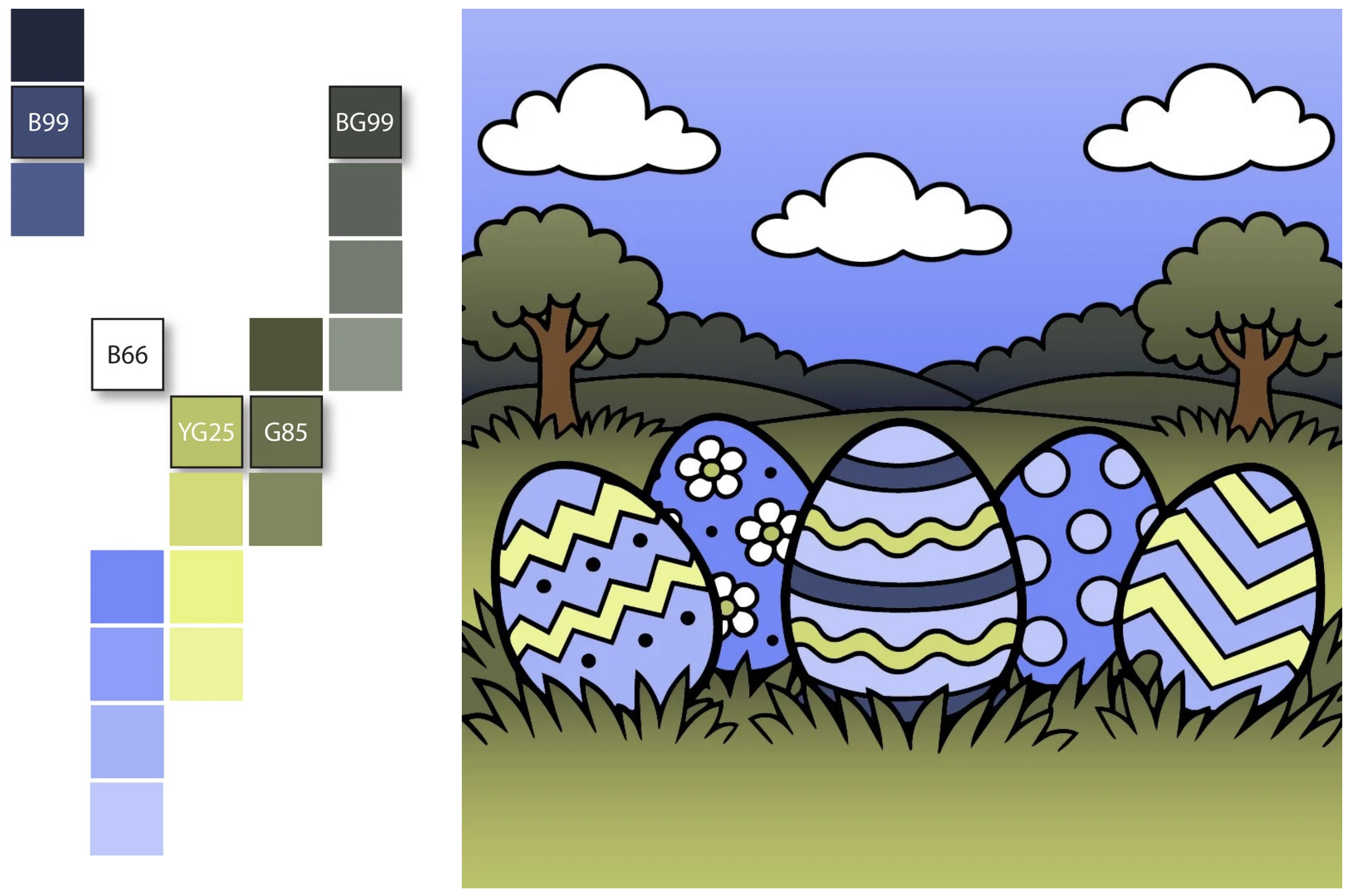
Look what happens when I balance Sarah’s value gamut.
No more cozy mess.
Your eye goes straight to the eggs and lingers there. Then you scan the background and return to the eggs.
Good art tells your eye where to look.
The eggs are generally lighter blends which hold your focus.
The direction of my background blends also push your eyes back to the eggs.
It’s all about the eggs right?
In many ways, value is more important than color.
And if you think I’m being grouchy, I am. I take this stuff seriously because guess what happens when you’ve been using Color Cubes for a year and your projects still look scatterbrained?
You don’t blame the Cube, do you?
Folks, this ain’t your fault.
As pretty as Sarah’s color palettes are, you can’t use them straight up. Every card needs major value adjustments. And all those Colorfluencers pulling a Cube card and matching markers to every swatch? Nooooooo.
I still recommend Color Cubes.
To be crystal clear, I honestly think Color Cubes are a great investment for colorists and beginner artists— but you’ve got to know these swatches are just a starting point.
Color Cube color palettes are NOT a marker supply list.
You will be sad and disappointed if you let Sarah pick your markers and pencils.
You’ve gotta move the values around to cover the important values Sarah skipped.
With a little color theory and some practice, you can fix that cozy mess.
IF YOU LIKED TODAY’S ARTICLE, SUPPORT FUTURE FREE LESSONS

SPRING SESSION - COMING SOON!
We’re wrapping up January’s session of The Blend which opens space in my schedule for a new session of The Point.
My 12 week colored pencil deep-dive course takes you from bare beginner to independent intermediate.
By the end of The Point, you’ll color this fruit tart with amazing realism. Heck, some students even get photorealistic results. The best part is, you won’t be copying my tart — you’ll actually know what to do and which colors to do it with.
How? In The Point, we focus on learning to sculpt realistic forms with efficient grip and pressure.
My courses are lean, effective, and worth every penny.
NEXT POINT SESSION OPENS MAY 1st
Enrollment is via waitlist only. You must be on the waitlist to enroll.


READING IS NOT DOING
Color theory is one of those things you don’t get until you actually do it. That’s what Color Coach is here for, hands-on color theory experience.
To color this peapod, I used two YG markers. I also used dusty rose, teal, pale aqua, hot pink, and sunshine yellow.
And that’s not just an Amy thing, my students are finding their own amazing artistic colors too.
Join us. Take a walk on the wild side.

SECOND TUESDAY STREAM
Ever had a pale marker go crazy, damaging the beautiful blend it was supposed to smooth?
Maybe that stinker ate into the dark color and left a bunch of speckle spots?
Or even worse, the pale marker left a dark bathtub ring after it dried?
Join me for a serious look at ink chemistry. It’s a total myth that you can blend with any ol’ light marker. No matter what brand of markers you use, there are hidden bombs in every color family just waiting to destroy your beautiful coloring.
Tuesday, April 14th at 2pm EDT
(recorded version will be added to our lesson library)
2nd Tuesday Streams are one of the many benefits of a Color Wonk membership. Join today for instant access to dozens of workshops, video archive, and supportive community.

Let’s color an Easter egg!
Oh, yes! Eggs are fun. I’ll do the top stripe in red, then maybe orange and a blue stripe…
Wait a minute, are you coloring stripes or are you coloring an egg?
Easter Egg is an important shift in thinking. We get wrapped up in the details and then wonder why our coloring looks cartoonish.
There’s an egg under those stripes. When you take your eye off the egg, you’ll lose the realism. Every. Time.
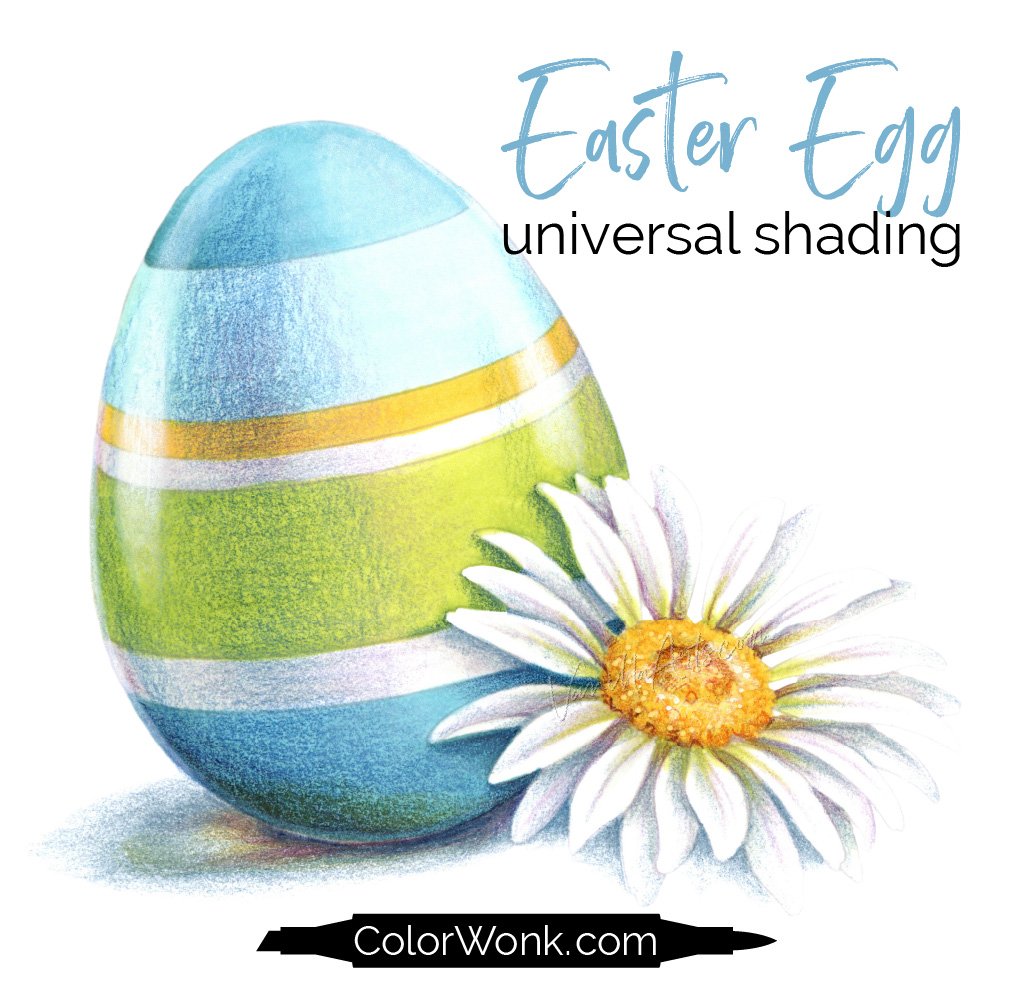
Easter Egg is only available through Color Wonk
A library of new and classic courses is waiting for you. Instant access. No deadlines.
Real art lessons, not nifty novelty techniques

CURRENT PASSWORD: RubberDuckie

MY FAVORITE COLORED PENCIL ERASERS
Affiliate links help support the free content here in Vanilla Beans
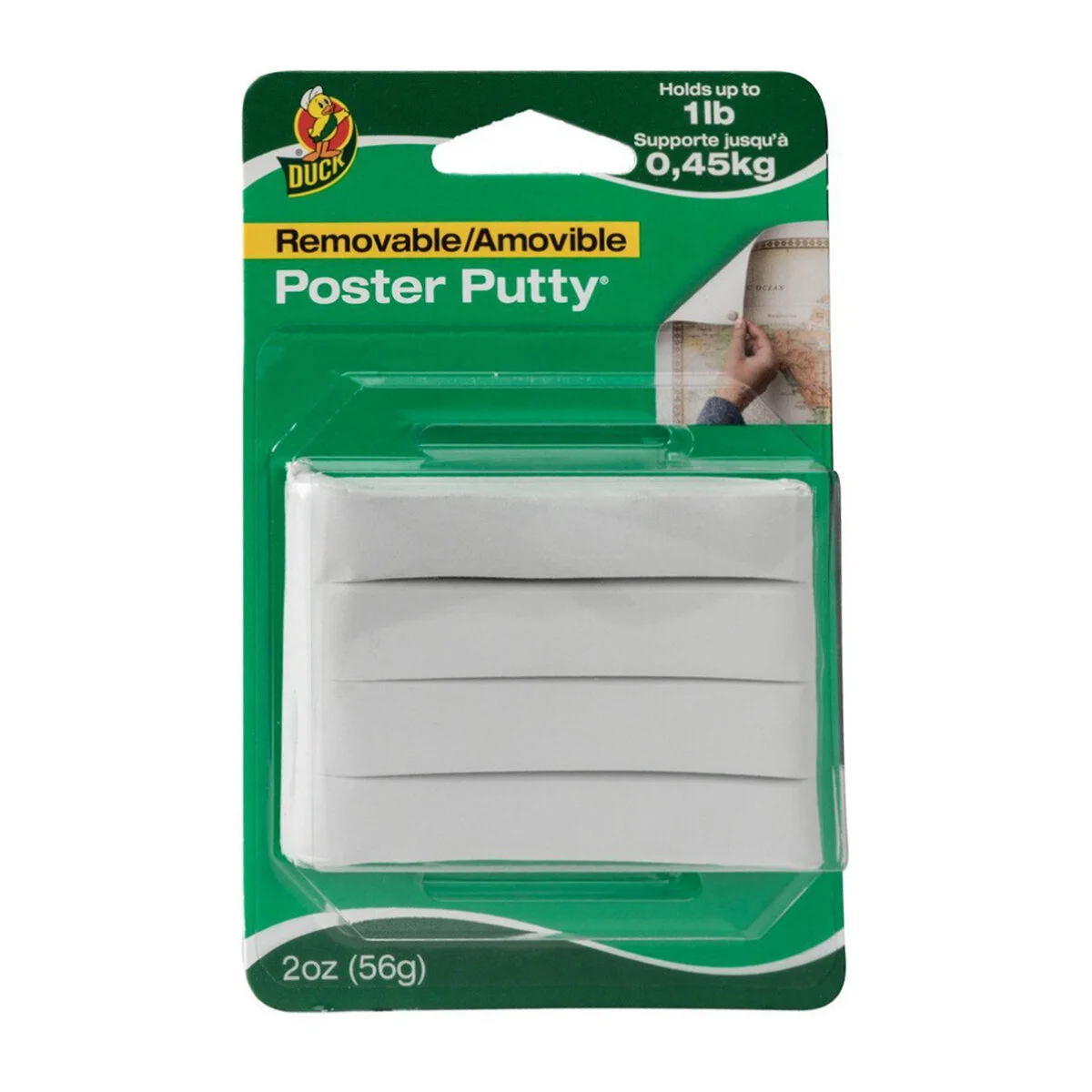
For light mistakes and gentle lifting. One pack lasts for years!
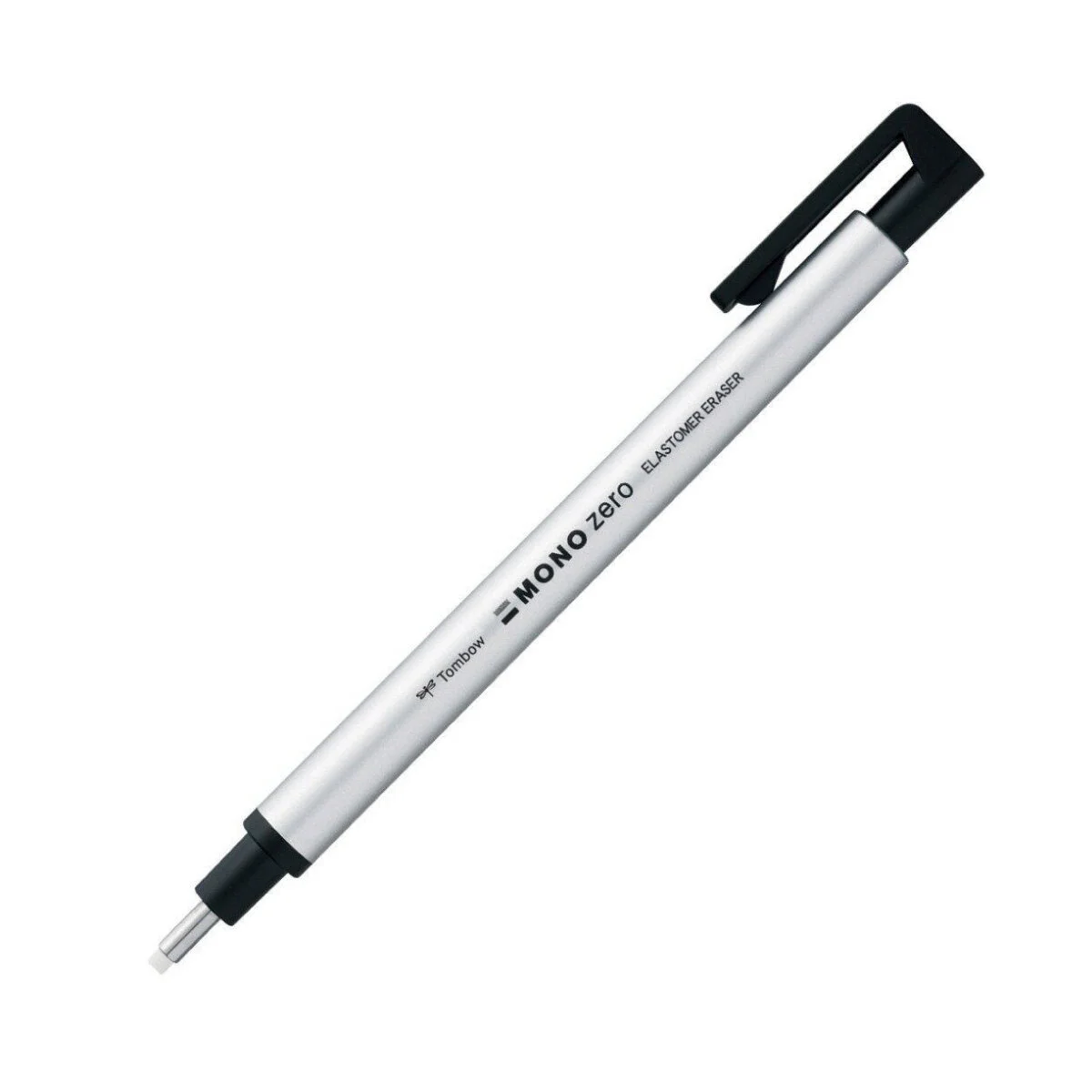
Erase tiny areas with maximum control, clean-up edges, or smudge
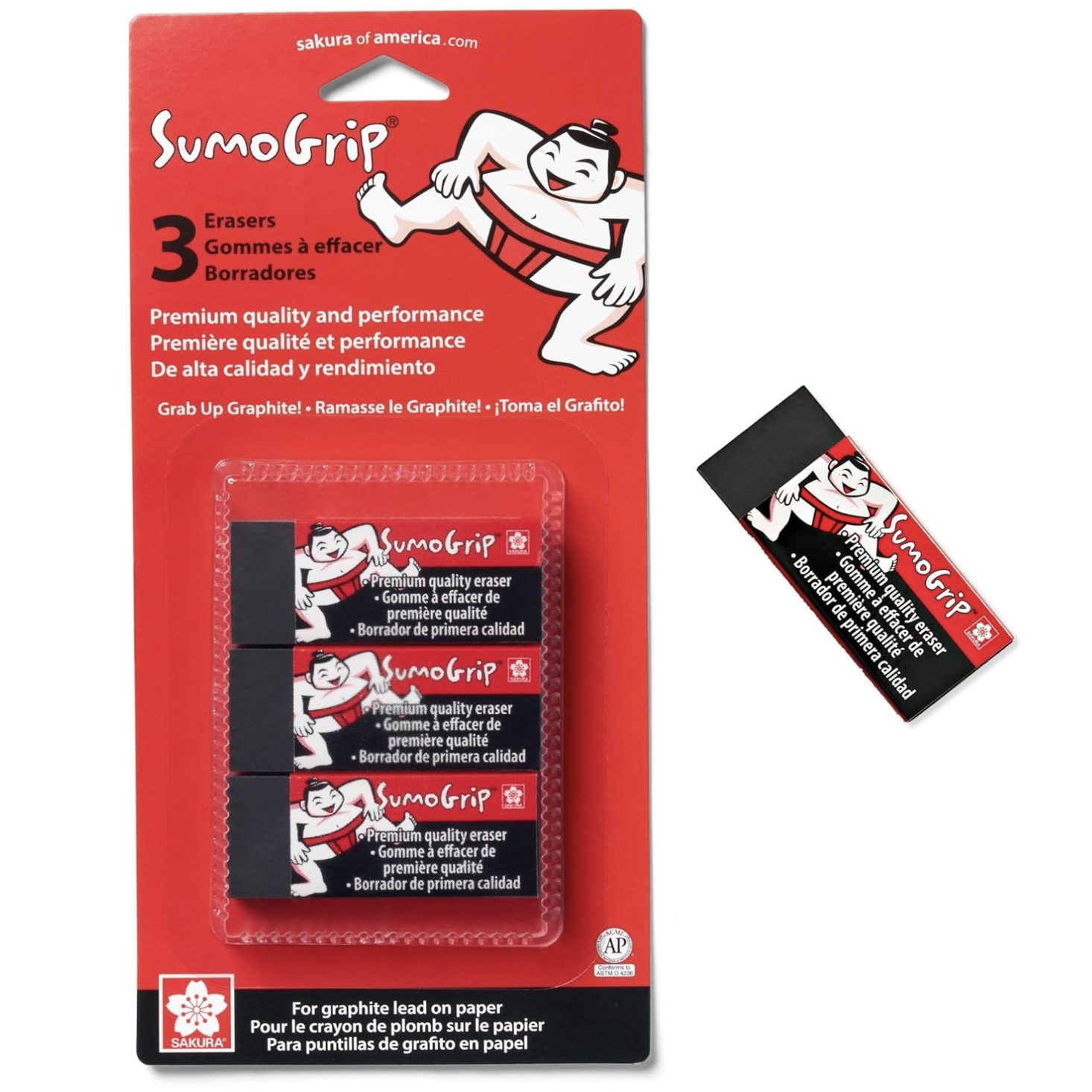
For true mistakes, can lift most of the wax back to the paper level